
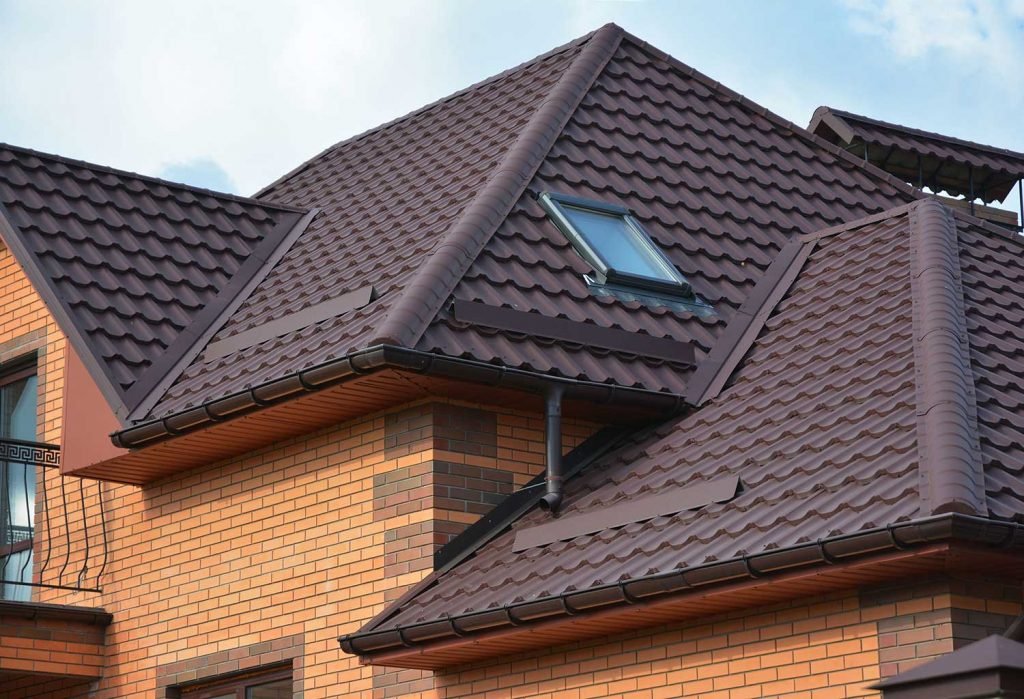
- Roofing Services Unveiled: The Roadmap to a Strong and Reliable Roof!
- Table of Contents
- 1. Introduction
- 2. The Significance of Quality Roofing Services
- 3. Exploring Roofing Materials
- 4. The Roofing Process: From Inspection to Completion
- 5. Ensuring Longevity: Roof Maintenance and Repair
- 6. Energy-Efficient Roofing Solutions
- 7. Frequently Asked Questions (FAQs)
- 8. Conclusion
Roofing Services Unveiled: The Roadmap to a Strong and Reliable Roof!
Table of Contents
- Introduction
- The Significance of Quality Roofing Services
- Exploring Roofing Materials
- 3.1 Types of Roofing Materials
- 3.2 Factors to Consider When Choosing Roofing Materials
- The Roofing Process: From Inspection to Completion
- 4.1 Roof Inspection and Assessment
- 4.2 Roofing System Design and Planning
- 4.3 Roofing Installation Techniques
- 4.4 Quality Control and Assurance
- Ensuring Longevity: Roof Maintenance and Repair
- 5.1 Regular Roof Maintenance
- 5.2 Common Roofing Issues and Repairs
- Energy-Efficient Roofing Solutions
- 6.1 The Impact of Roofing on Energy Efficiency
- 6.2 Sustainable Roofing Options
- Frequently Asked Questions (FAQs)
- Conclusion
1. Introduction
A strong and reliable roof is an essential component of any structure. It provides protection against the elements and ensures the safety and comfort of those within. Achieving such a roof requires professional roofing services that follow a well-defined roadmap. In this article, we will unveil the key steps and considerations involved in obtaining a robust roofing system, from selecting quality materials to the roofing process, maintenance, and beyond.
2. The Significance of Quality Roofing Services
Quality roofing services play a vital role in the durability and longevity of a roof. By utilizing professional expertise and top-notch materials, these services deliver several significant benefits:
- Protection against weather elements, such as rain, wind, snow, and hail.
- Prevention of water leaks, moisture damage, and mold growth.
- Enhanced energy efficiency, resulting in reduced utility costs.
- Improved insulation for a comfortable indoor environment.
- Increased property value and curb appeal.
3. Exploring Roofing Materials
3.1 Types of Roofing Materials
A wide array of roofing materials is available, each with its unique characteristics and suitability for different climates and architectural styles. Common options include:
- Asphalt shingles: Affordable, versatile, and widely used.
- Metal roofing: Durable, long-lasting, and recyclable.
- Clay and concrete tiles: Aesthetically pleasing and resistant to fire.
- Wood shakes and shingles: Natural, rustic, and environmentally friendly.
- Slate roofing: Elegant, durable, and long-lasting.
3.2 Factors to Consider When Choosing Roofing Materials
When selecting roofing materials, several factors should be taken into account:
- Climate and weather conditions in your region.
- Durability and expected lifespan of the materials.
- Aesthetic appeal and compatibility with the architectural style.
- Cost-effectiveness, including installation and maintenance costs.
- Environmental impact and sustainability of the materials.
- Local building codes and regulations.
4. The Roofing Process: From Inspection to Completion
A successful roofing project involves a systematic process that ensures a well-built and reliable roof.
4.1 Roof Inspection and Assessment
The journey to a strong roof begins with a thorough roof inspection conducted by professionals. This assessment helps identify any existing issues, assess the condition of the roof, and determine the necessary steps for repairs or replacement.
4.2 Roofing System Design and Planning
After the inspection, the roofing professionals develop a detailed plan for the roofing system. This includes selecting the appropriate materials, determining the required quantity, and designing a layout that optimizes performance and aesthetics.
4.3 Roofing Installation Techniques
The installation process involves precise techniques to ensure a secure and watertight roof. It includes preparing the substrate, laying underlayment and waterproofing materials, installing the chosen roofing material, and properly sealing joints and flashing areas.
4.4 Quality Control and Assurance
Throughout the roofing installation, quality control measures are implemented to guarantee the highest standards are met. This includes regular inspections, adherence to industry guidelines, and the use of advanced technology and equipment.
5. Ensuring Longevity: Roof Maintenance and Repair
To extend the lifespan of a roof and prevent costly damage, regular maintenance and timely repairs are essential.
5.1 Regular Roof Maintenance
Routine roof maintenance involves activities such as cleaning debris, inspecting for signs of damage or deterioration, clearing gutters, and ensuring proper drainage. Additionally, periodic professional inspections help identify potential issues before they escalate.
5.2 Common Roofing Issues and Repairs
Roofs are subjected to wear and tear over time. Some common issues that may require repairs include leaks, damaged shingles, deteriorated flashing, and ventilation problems. Prompt repairs by qualified professionals are crucial to prevent further damage and maintain the roof’s integrity.
6. Energy-Efficient Roofing Solutions
In today’s environmentally conscious world, energy-efficient roofing solutions have gained significant popularity. These solutions offer benefits such as reduced energy consumption, lower utility bills, and a smaller carbon footprint.
6.1 The Impact of Roofing on Energy Efficiency
Roofs can have a substantial impact on a building’s energy efficiency. Proper insulation, reflective properties, and ventilation systems contribute to maintaining a comfortable indoor environment and reducing reliance on heating and cooling systems.
6.2 Sustainable Roofing Options
Sustainable roofing options focus on eco-friendly materials and practices. This includes recycled shingles, cool roofing systems, and green roofs that support vegetation. These options contribute to a more sustainable environment and may even qualify for green building certifications.
7. Frequently Asked Questions (FAQs)
- Q: How often should I have my roof inspected?
- A: It is recommended to have your roof inspected at least once a year, preferably in the spring or fall.
- Q: Can I install a new roof over an existing one?
- A: In some cases, it is possible to install a new roof over an existing one. However, this depends on the condition of the current roof and local building codes. It is best to consult with a professional roofer for an accurate assessment.
- Q: What is the average lifespan of a roof?
- A: The lifespan of a roof varies depending on the materials used. Asphalt shingles typically last 20 to 30 years, while metal roofing can last 40 to 70 years or more.
- Q: Are there any eco-friendly roofing options available?
- A: Yes, several eco-friendly roofing options are available, such as recycled shingles, metal roofs, and cool roofing systems.
- Q: How can I maintain my roof during the winter months?
- A: Clearing snow and ice dams, inspecting for leaks, and ensuring proper insulation and ventilation are crucial for maintaining a healthy roof during winter.
8. Conclusion
In conclusion, roofing services provide a roadmap to achieving a strong and reliable roof. By selecting quality materials, following a meticulous roofing process, and prioritizing regular maintenance, property owners can ensure the longevity and durability of their roofs. Additionally, energy-efficient and sustainable roofing solutions contribute to environmental conservation and cost savings.
Remember, when it comes to roofing services, it is always best to consult with experienced professionals who can provide personalized advice and solutions tailored to your specific needs. Your roof is an investment in the protection and value of your property, and by giving it the attention it deserves, you can enjoy the peace of mind that comes with a well-built and dependable roofing system.
